
Three different models of cooperation with Ukraine’s defence industry
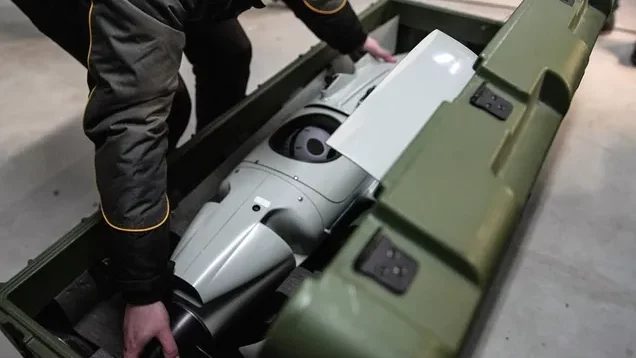
Build in Ukraine, Build with Ukraine, Buy from Ukraine: three different models of cooperation with Ukraine’s defence industry
On 8 February, the President of Ukraine stated that exports of defence products were being opened. In public discussion, “exports” is often understood not only as direct shipments of finished products abroad, but also as a broader set of formats for international cooperation, including joint production and cooperation that uses Ukrainian technologies and licenses in partner countries. That is why it is important to distinguish between three different models: Build in Ukraine, Build with Ukraine, and Buy from Ukraine.
Below we explain the difference between these approaches and how manufacturers and international partners can navigate the terminology correctly.
1) Build in Ukraine: localization of production in Ukraine
Build in Ukraine is a model in which foreign defence companies deploy production directly in Ukraine. This includes creating or expanding local capacities, joint ventures, repair and service, as well as R&D and rapid prototyping on the territory of Ukraine.
Key characteristics of Build in Ukraine:
• production is located in Ukraine;
• Ukrainian enterprises are integrated into partners’ production processes and infrastructure;
• the result is localized manufacturing, repair, or service with the shortest possible supply cycle for Ukraine’s needs.
2) Build with Ukraine: joint production using Ukrainian technologies and partners abroad
Build with Ukraine is a model that envisages the creation of production lines in partner countries; the export of production technologies and the integration of Ukrainian experience into allies’ supply chains; and joint projects (in the format of co-production or a JV) with Ukrainian companies.
Key characteristics of Build with Ukraine:
• production, or part of it, is deployed in a partner country;
• Ukraine’s technological base, engineering experience, and production competencies are used, while intellectual property rights remain in Ukraine;
• the model is oriented toward the long-term integration of Ukrainian solutions into allied supply chains.
3) Buy from Ukraine: direct export and direct deliveries of Ukrainian products
Buy from Ukraine is a model of direct deliveries of Ukrainian defence products to a foreign customer. In practice, it involves completing export procedures, compliance, licensing, and meeting export control requirements and end-user verification.
Key characteristics of Buy from Ukraine:
• the product is manufactured in Ukraine and delivered abroad under contract;
• export control, licensing, and compliance procedures apply;
• typical contracting models include direct contracts with manufacturers or intergovernmental procurement mechanisms, depending on the market and the customer’s procurement procedure.
For manufacturers, the difference between the three approaches determines:
• where capacities are located and how to plan investments;
• what set of permitting procedures is required and what timelines to expect;
• who the customer is, who is the contracting party, and how responsibility is structured for delivery, service, and end-user control.
For international partners, this is a matter of procedural transparency, predictable timelines, and choosing the correct format of cooperation: from localization in Ukraine to co-production in a partner country or direct procurement of a Ukrainian product.
“In public discussion, everything is often called by the single word ‘export,’ but for the manufacturer and for the partner these are three different formats with different procedures and timelines. Build in Ukraine is the localization of production, service, and R&D in Ukraine. Build with Ukraine is co-production and the integration of Ukrainian technologies and engineering competence into partners’ production chains, including abroad. Buy from Ukraine is direct deliveries of a finished product from Ukraine with full export control, licensing, and end-user verification,” said Ihor Fedirko, CEO of the Ukrainian Council of Defence Industry.
According to a survey of manufacturers conducted by the Ukrainian Council of Defence Industry as of July 2025:
• 78% of respondents had assessed potential export markets;
• 94.4% of respondents are interested in engaging in export activity and assess its potential impact as positive, provided that security procedures are followed.
Among the expected effects of opening exports, manufacturers most often cited:
• reducing the cost of products on the domestic market due to scaling effects;
• increasing production capacity through the ability to expand facilities and increase volumes;
• additional revenues to the state budget in the form of taxes and duties;
• easier access to international investment due to growing interest from global partners.
To systematize manufacturers’ preparation for international markets and reduce the number of mistakes in the process, the Ukrainian Council of Defence Industry launched an Export Support Office. The Office helps companies navigate export control requirements, documentation, and preparation for negotiations.
Separately, the Council of Defence Industry previously presented the Export Map as a practical roadmap for manufacturers: from first contact to document preparation, testing and certification, and navigating licensing and compliance.
Writing aboutUkraine's defence industry?Contact us
We will help you find an expert comment or materials on the Ukrainian defence industry, the Council's activities and its members.